
The Liberal Arts Collegium is a highly rigorous interdisciplinary program that introduces exceptional students in China to the intellectual traditions of American liberal arts education.
Mission Statement
The mission of the Liberal Arts Collegium is to introduce and advance the traditions and values of American liberal arts education in China by creating opportunities for exceptional young scholars to engage with distinguished professors from leading American universities. Through rigorous interdisciplinary inquiry, close mentorship, and a commitment to intellectual exploration, the Collegium seeks to cultivate curiosity, critical thinking, and a lifelong love of learning.
The Liberal Arts Collegium Summer Program
The Liberal Arts Collegium summer program is a highly selective residential academic program for high school students across China and around the world held at Keystone Academy Beijing from July 21–31, 2026.
Grounded in the belief that the core of a liberal arts education lies in residential learning and close intellectual colloquy with faculty, the program is designed as a fully immersive scholarly community.
The summer program brings together exceptional high school students with distinguished professors from leading American colleges, including Amherst College, for immersive seminar-style courses, close mentorship, interdisciplinary exploration, and sustained intellectual dialogue.
Through small classes, office hours, deep reading, and evening workshops, students experience the rigor and spirit of a true liberal arts education in an age shaped by artificial intelligence, specialization, and rapid change.
Program Highlights:
- Taught by tenured professors from Amherst College
- Seminar-style learning modeled after top U.S. liberal arts colleges
- Intensive discussion-based and interdisciplinary classroom experience
- Two immersive academic courses: Game Theory and Positive Psychology
- Personalized faculty evaluations and potential recommendation opportunities
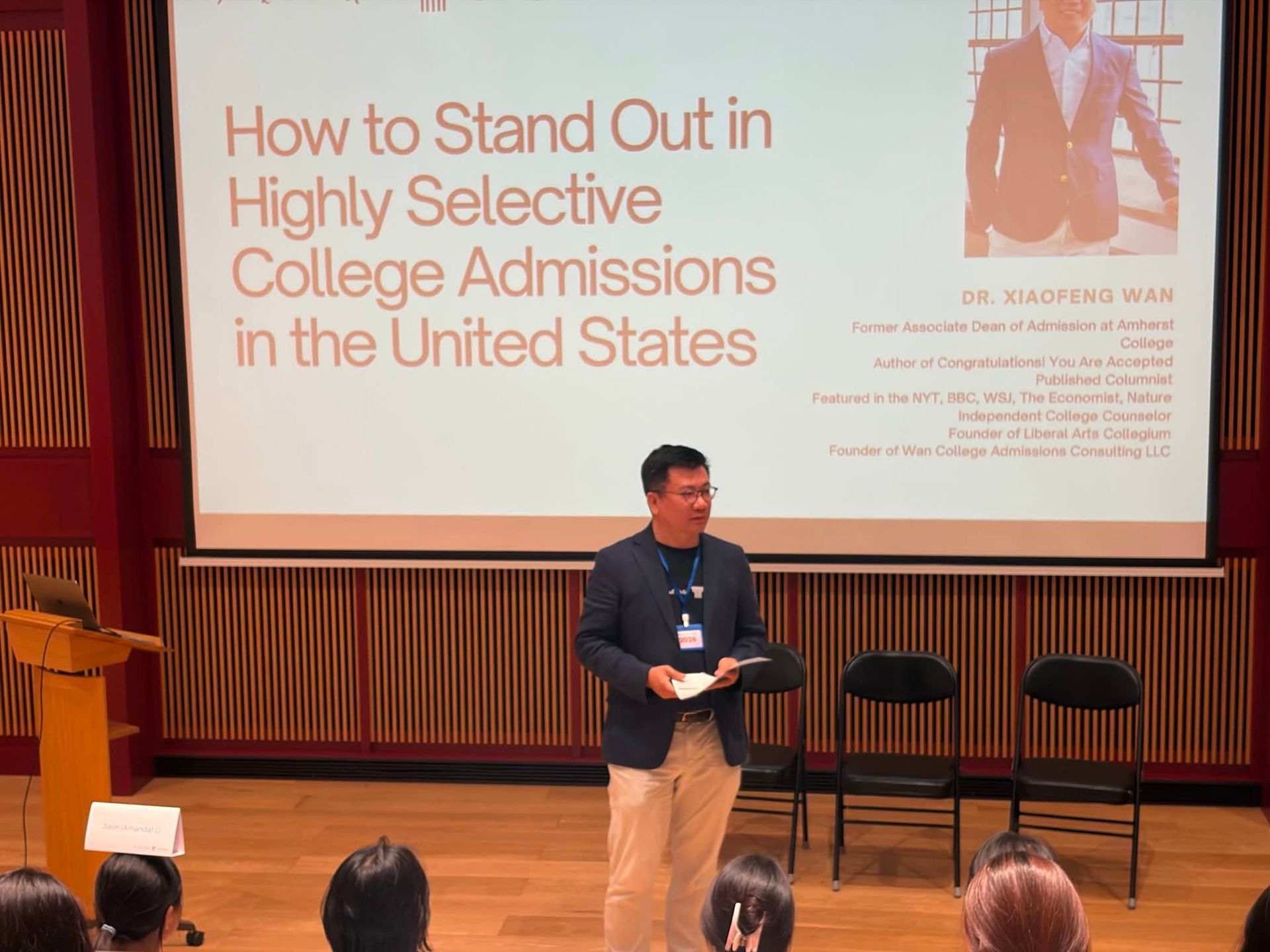
- Additional workshops on college admissions and academic development led by a former admissions dean at Amherst College
📅 July 21–31, 2026
📍 Keystone Academy Beijing
🎯 Open to students entering Grades 9–12
👥 Enrollment limited to 30 students
⏳ Rolling admission until spaces are filled, limited space available
Express Your Interest in the 2027 Summer Program

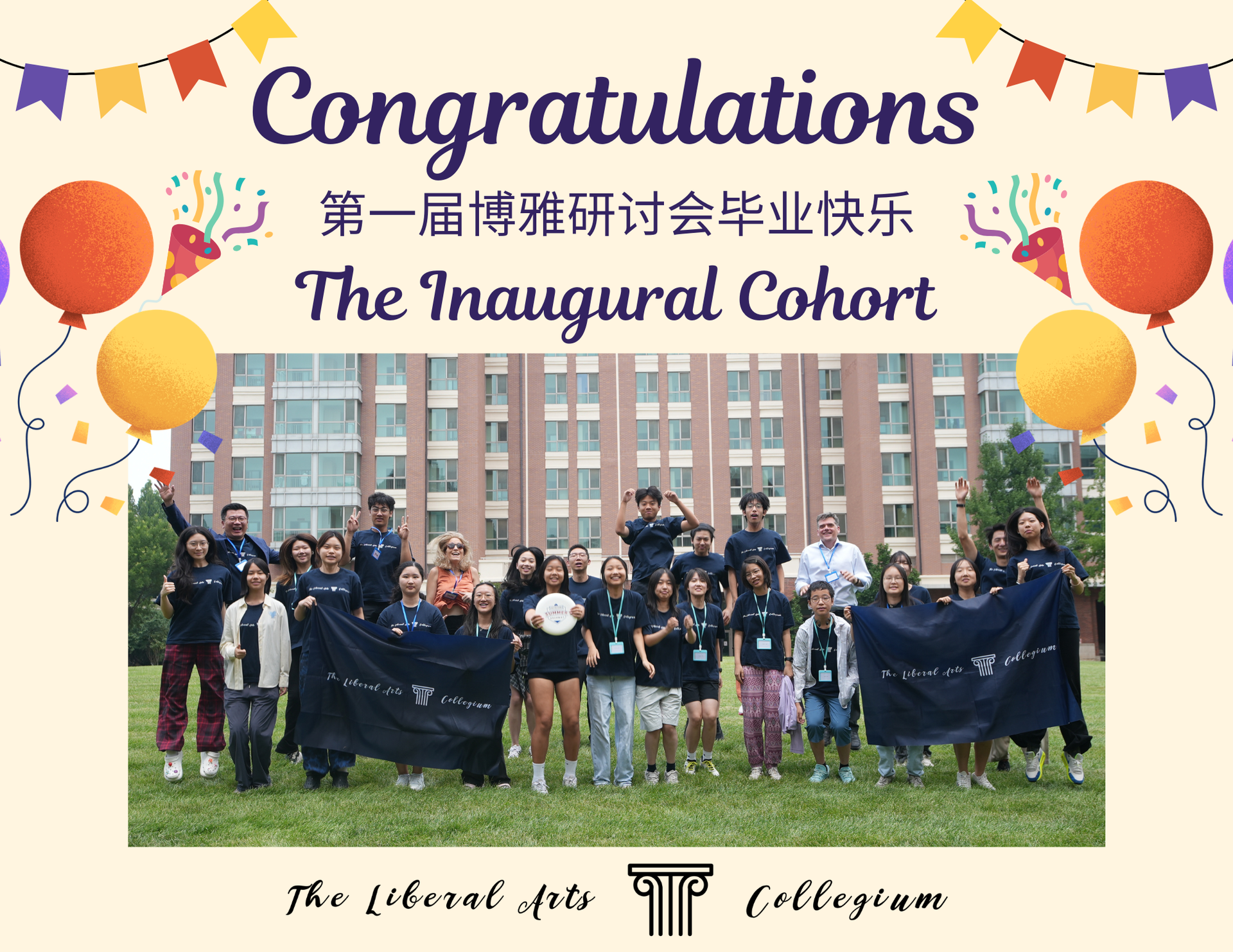
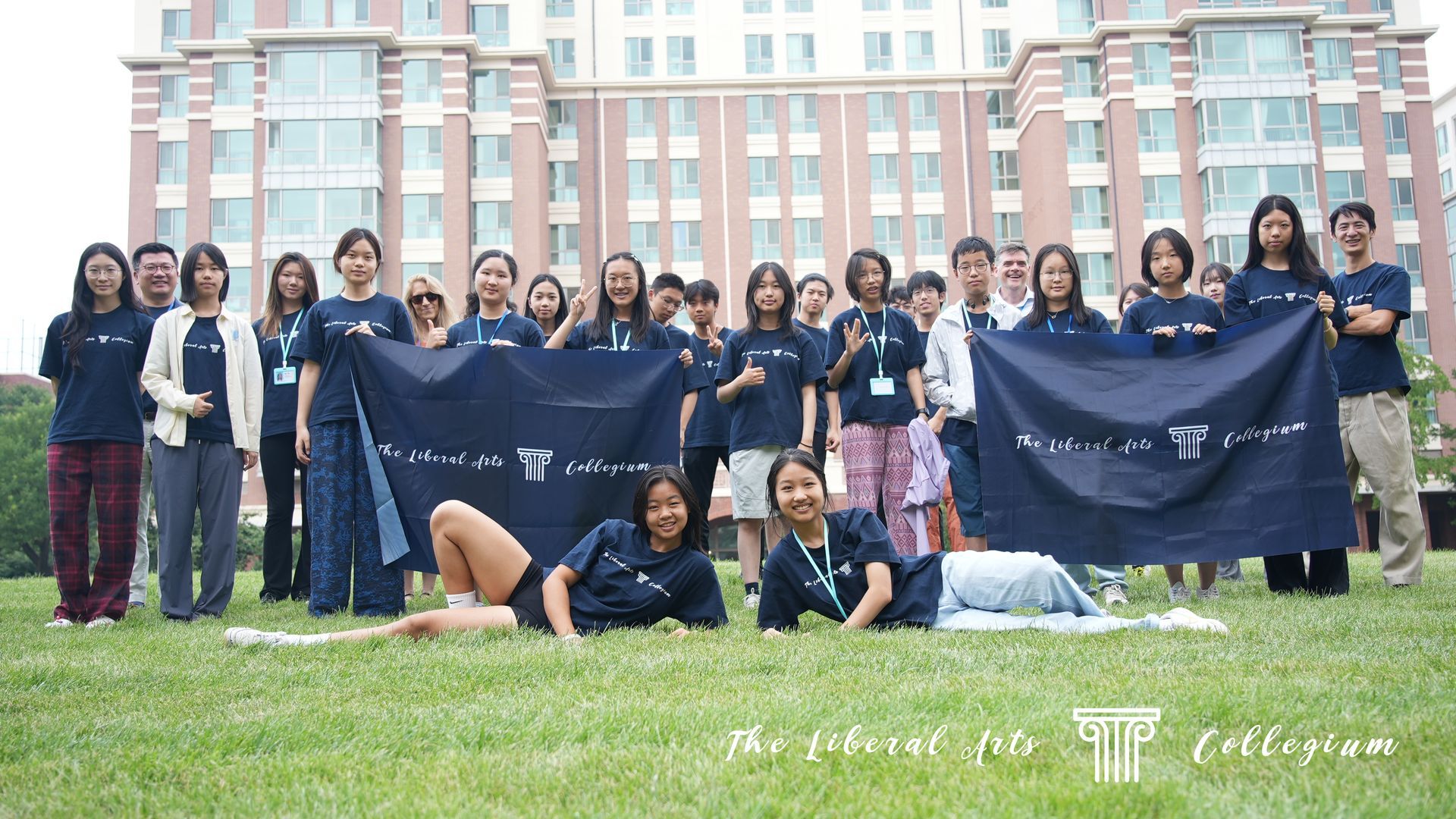
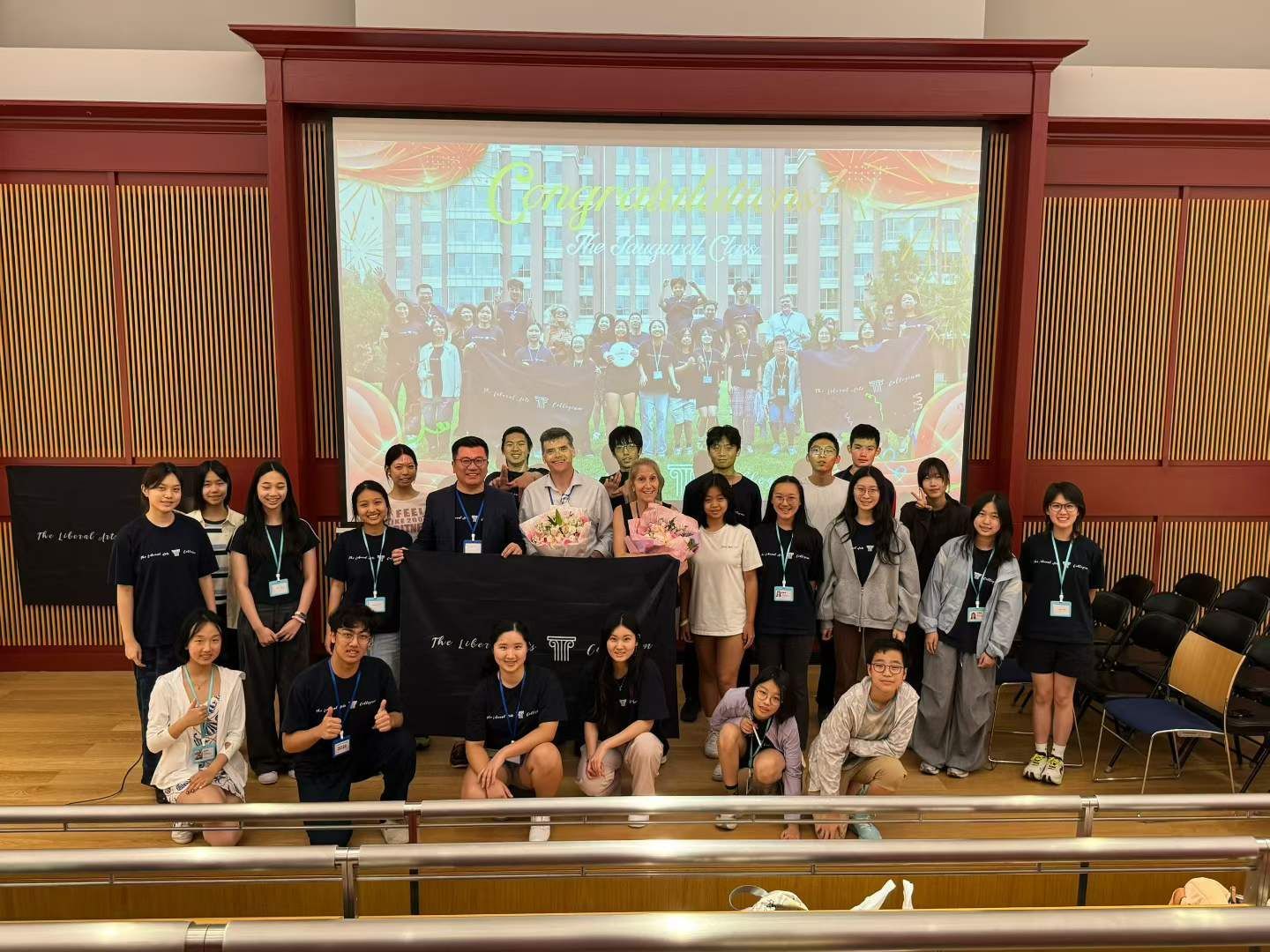
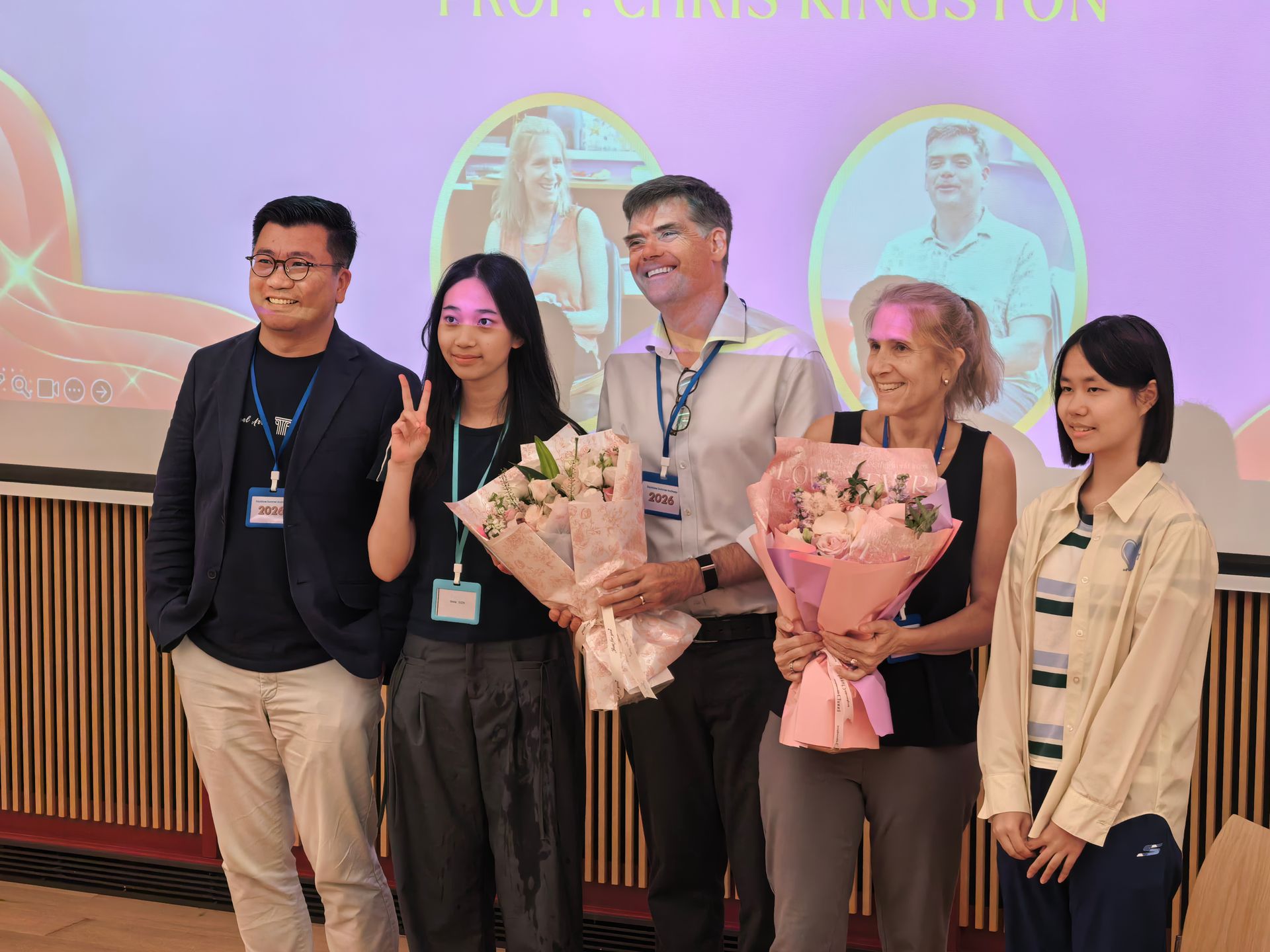
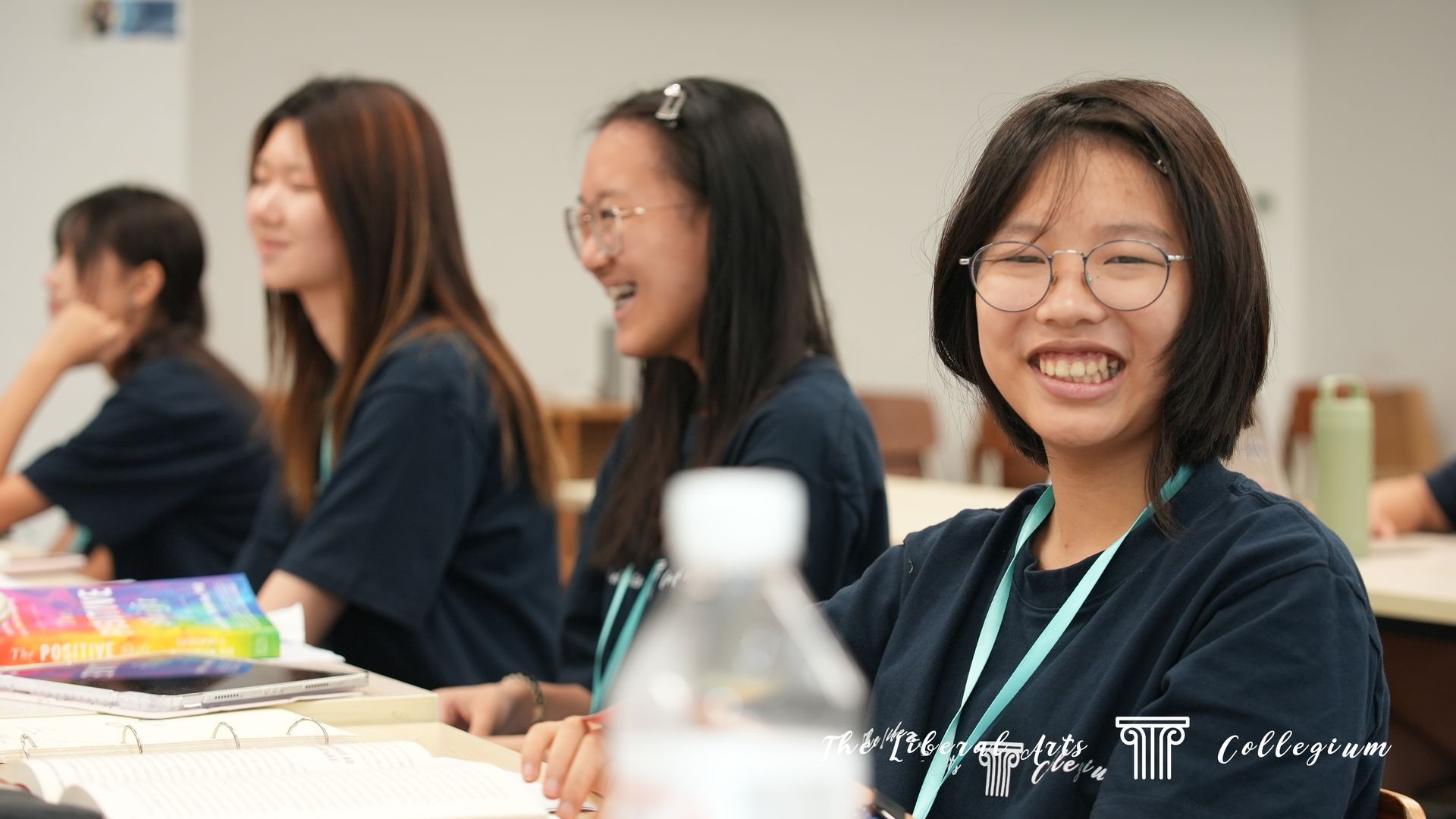
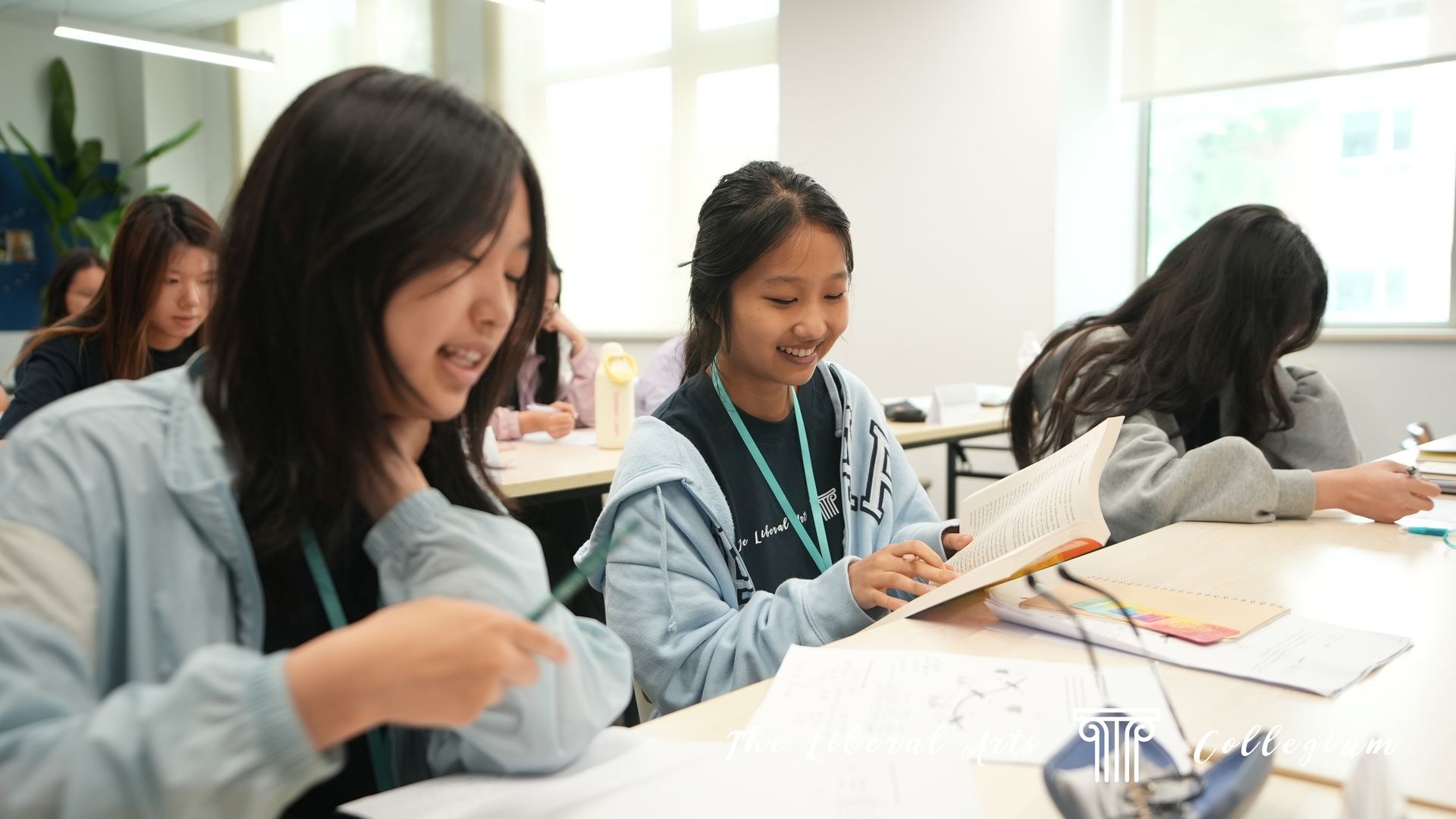
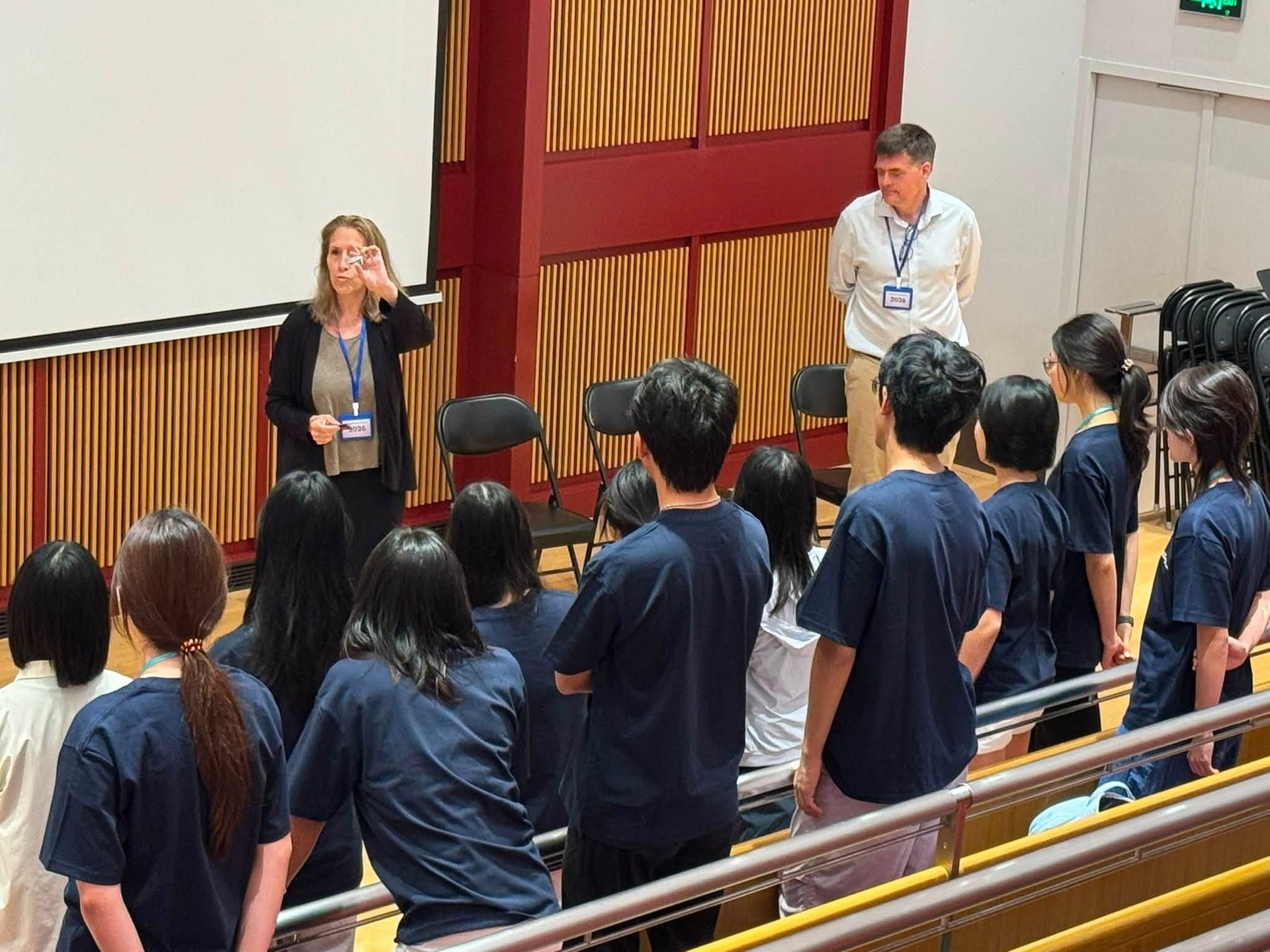
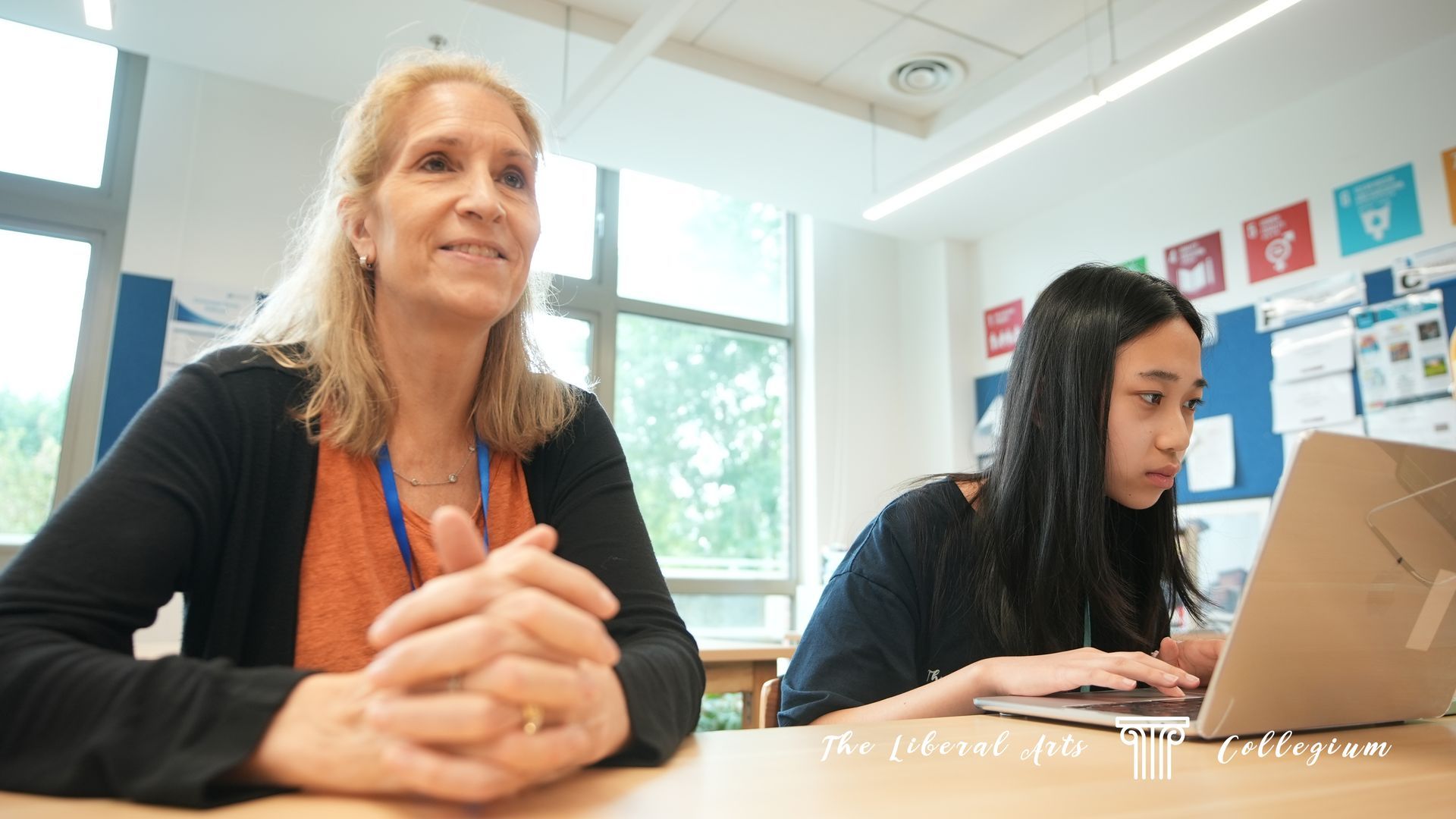
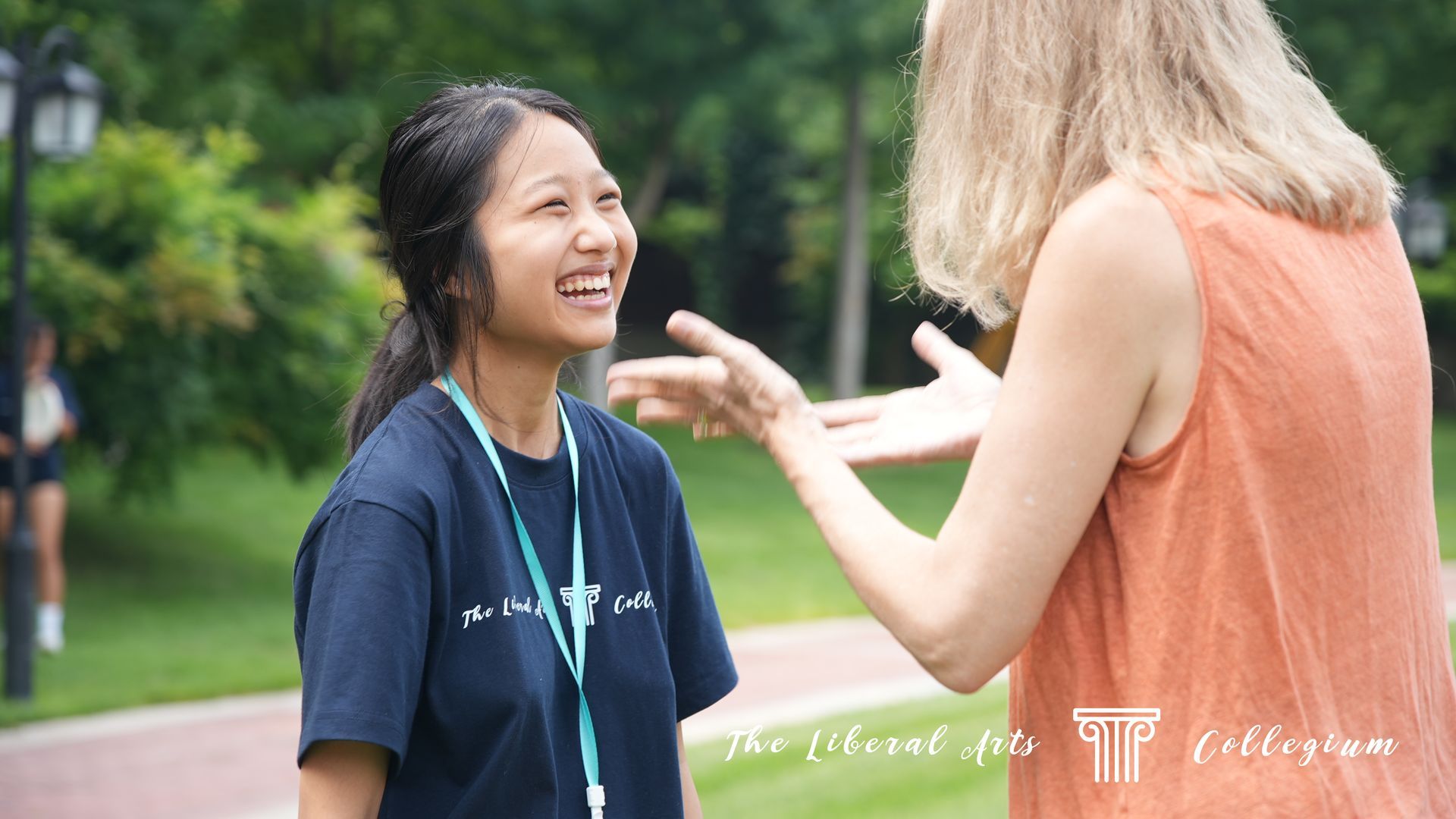
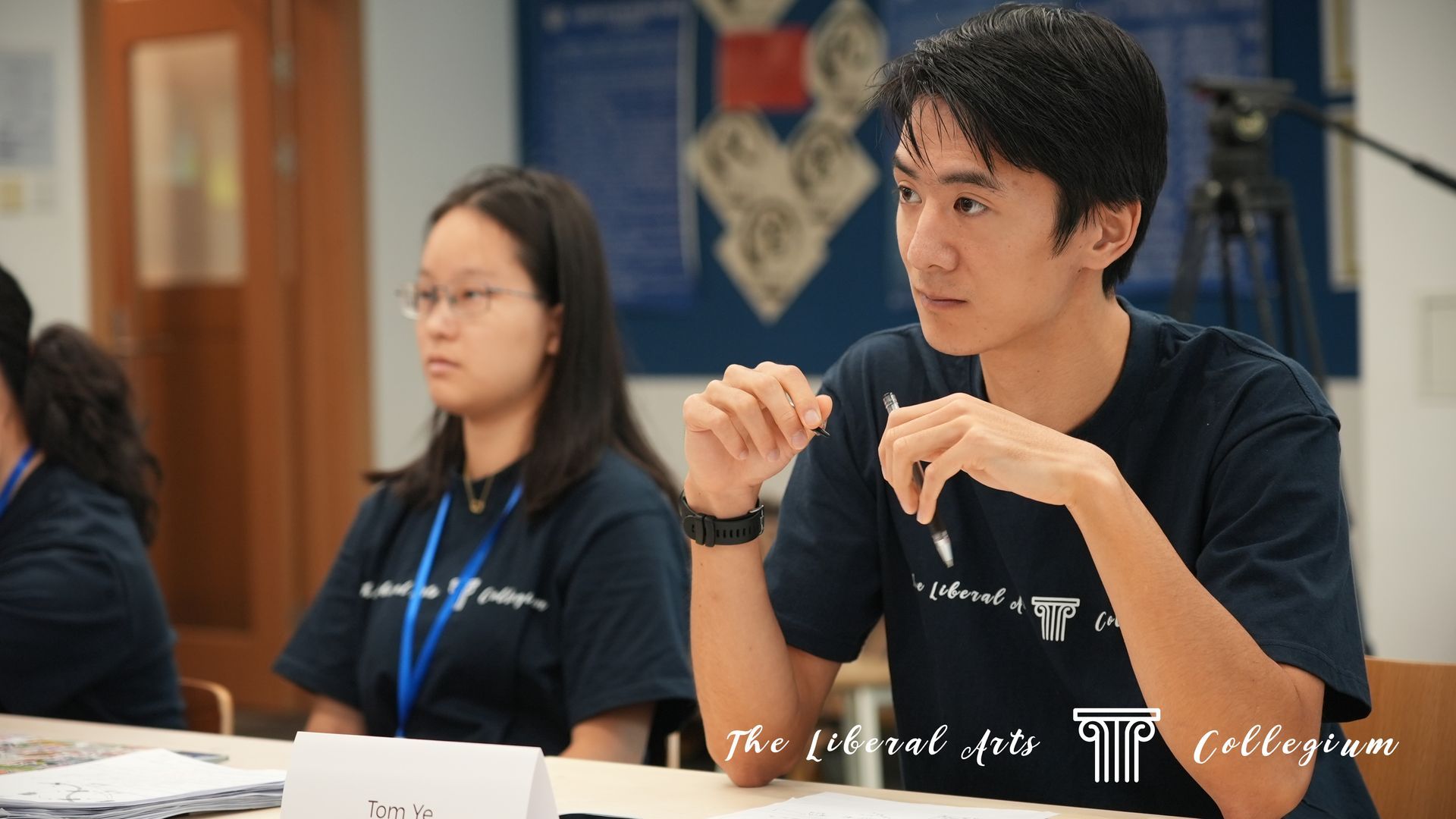
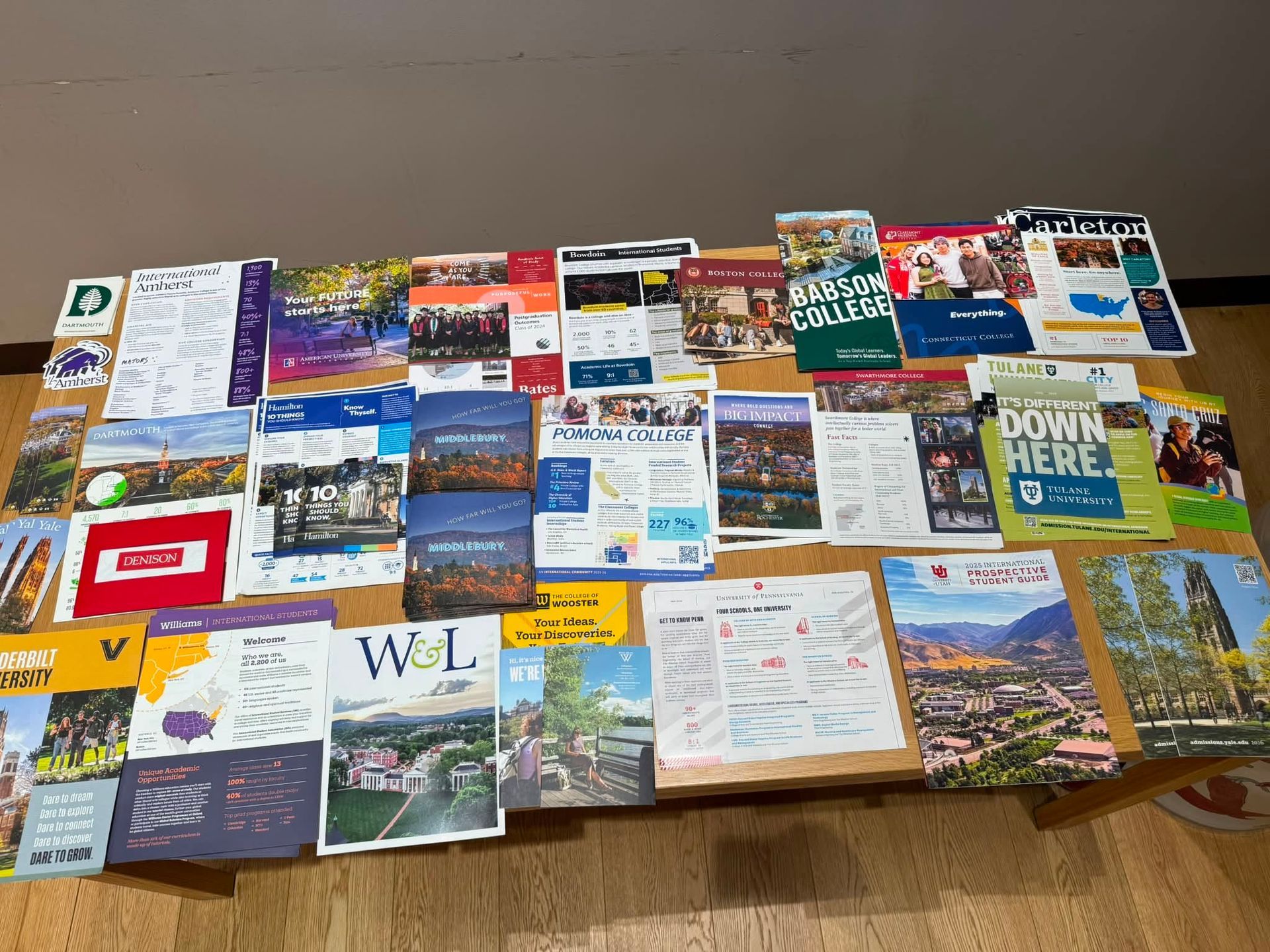
2026 Liberal Arts Collegium Summer Program Highlights
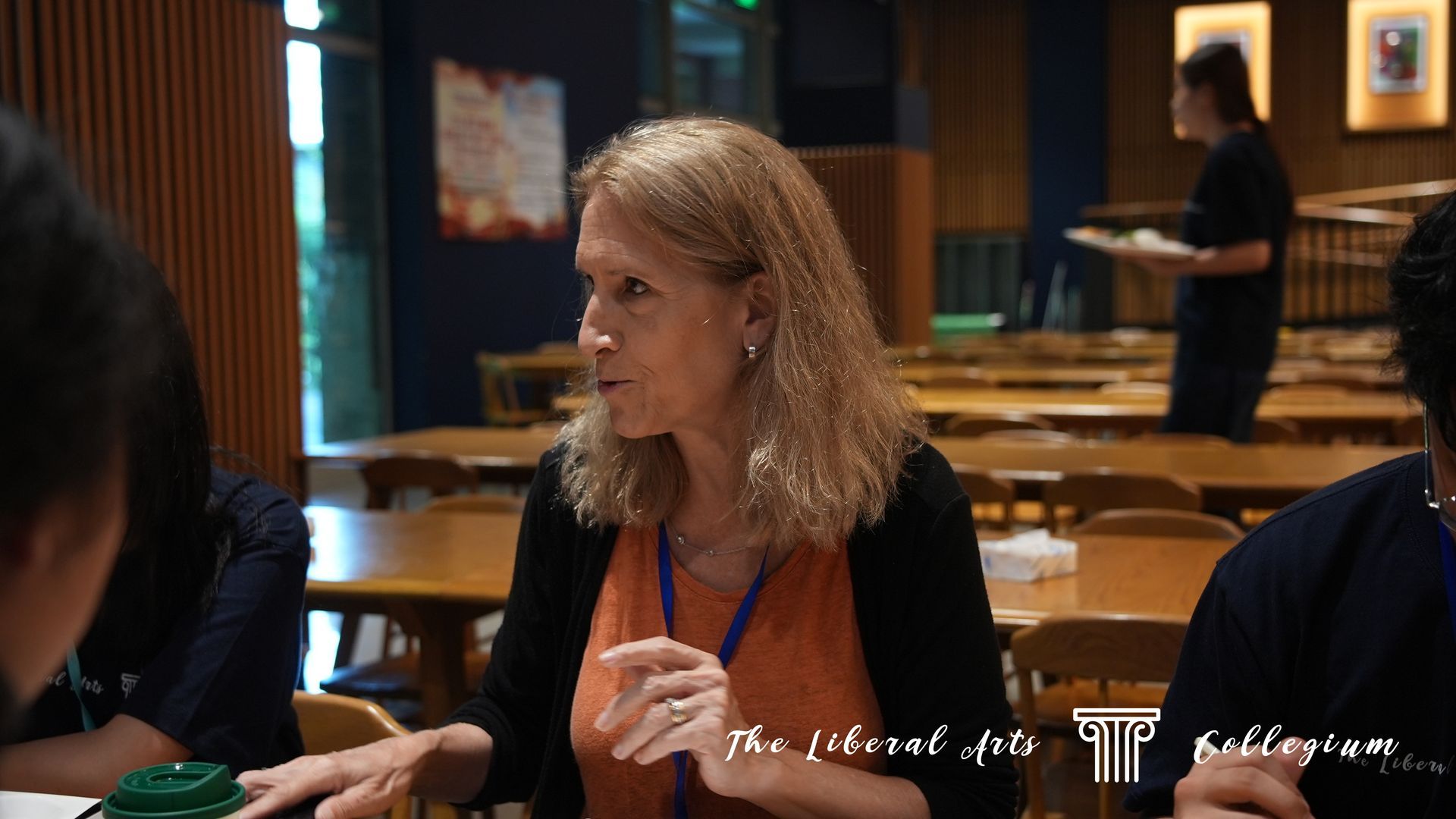
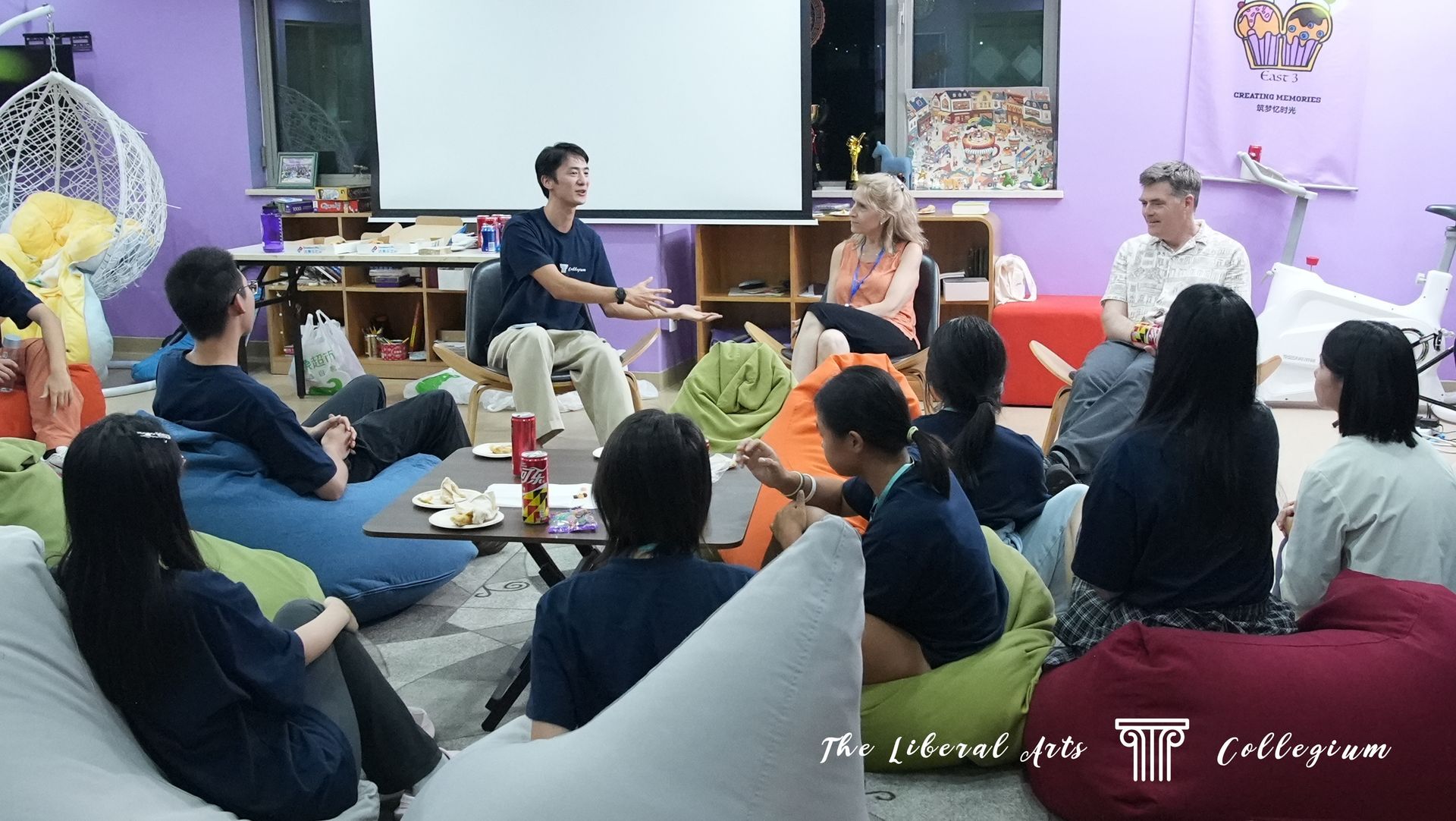
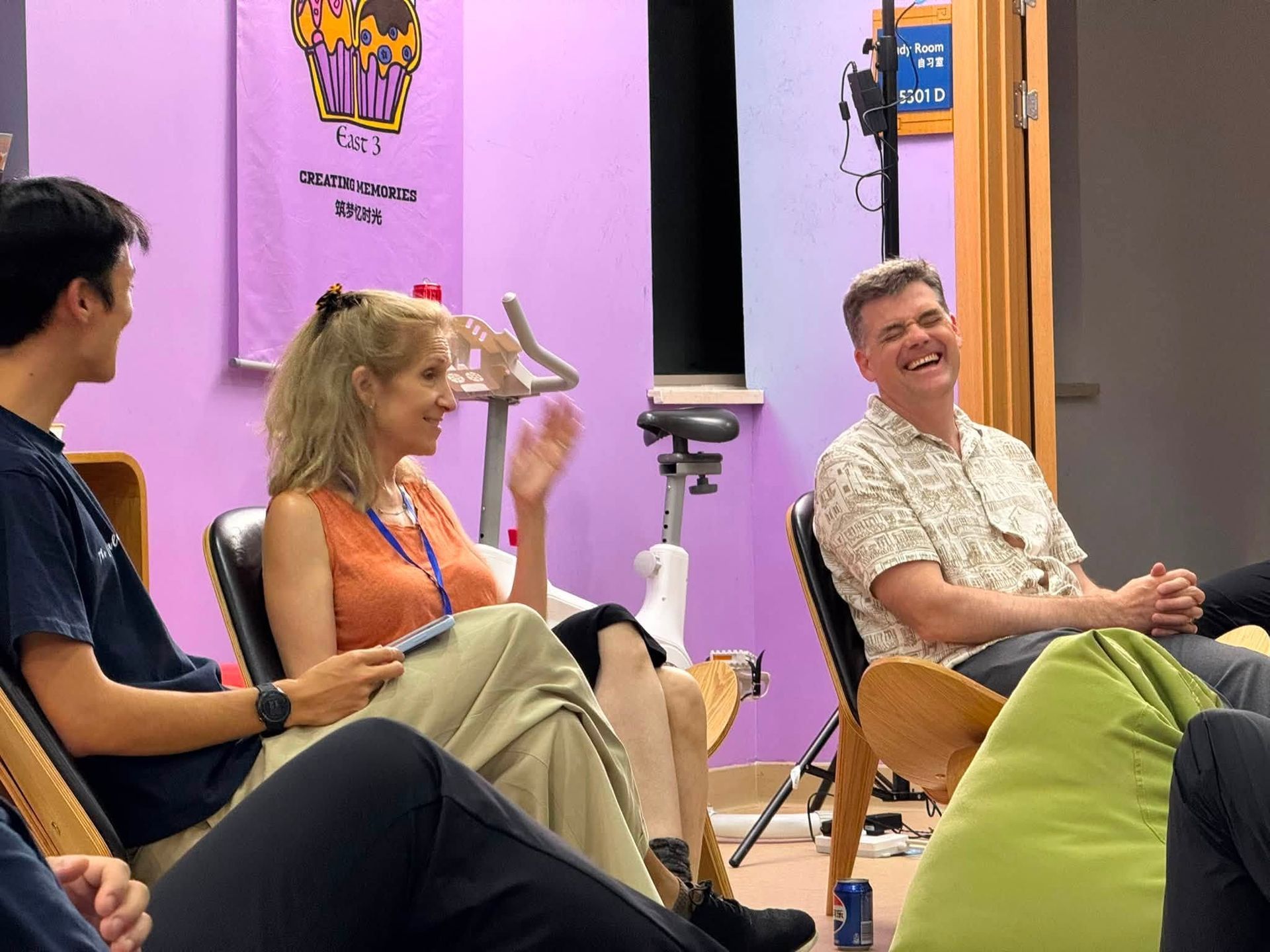
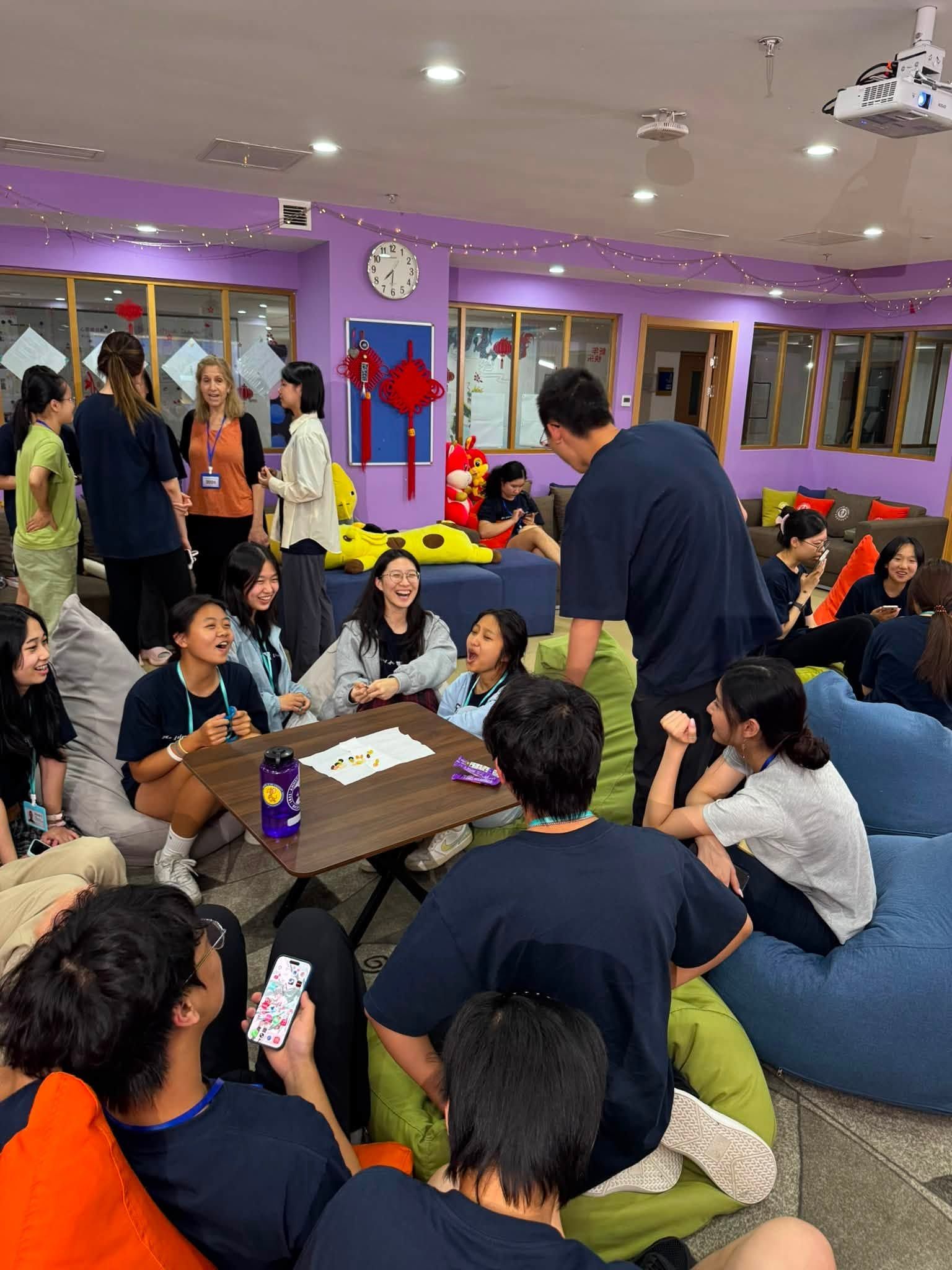
Meet Our Summer Collegium 2026 Faculty
Learn from two distinguished Amherst College professors whose teaching and scholarship have inspired students both inside and beyond the classroom.

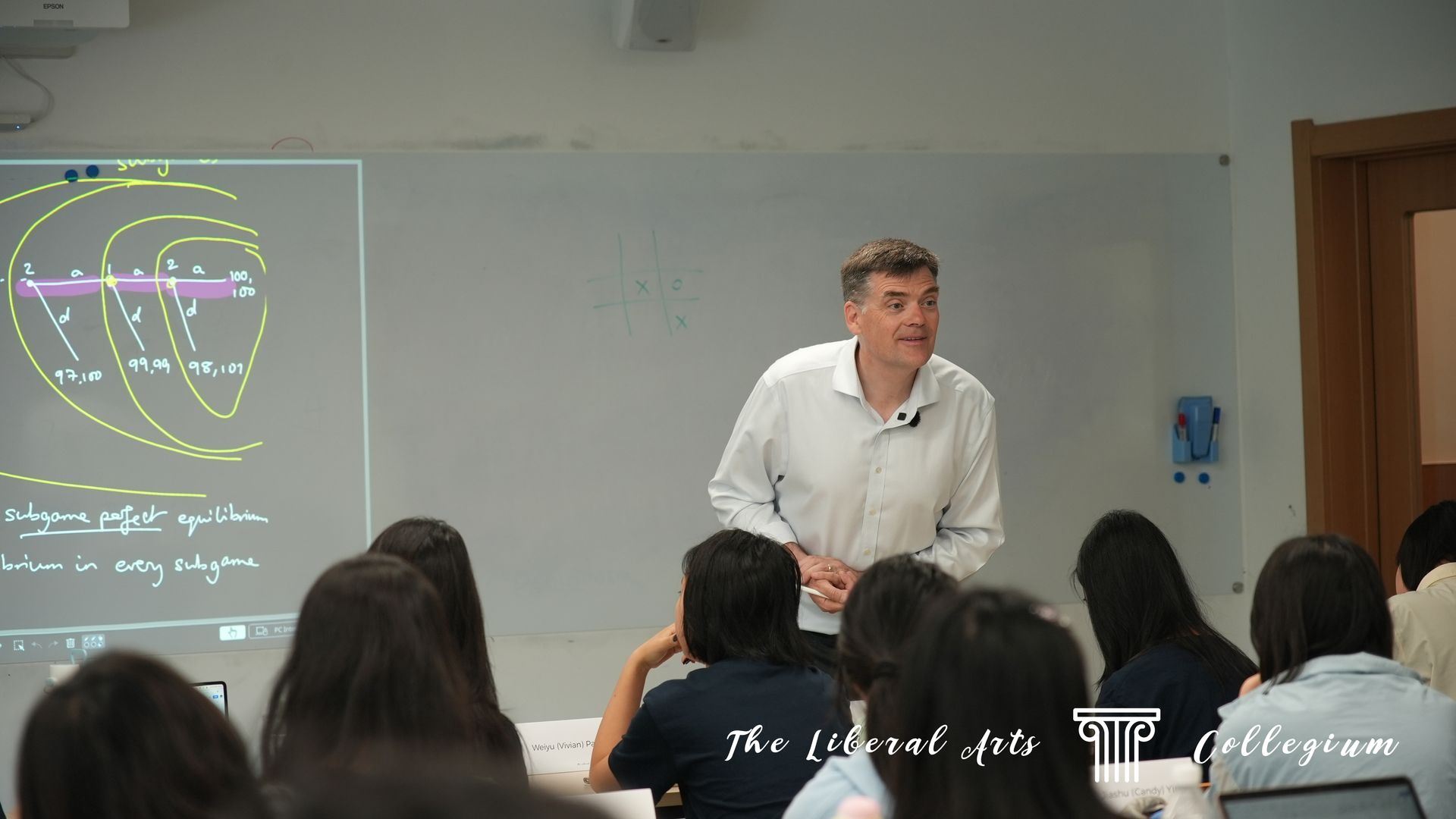
Christopher Kingston
Richard S. Volpert ’56 Professor of Economics at Amherst College
Professor Kingston is the Richard S. Volpert ’56 Professor of Economics at Amherst College and a leading scholar in institutional economics and economic history. He earned his mathematics degree from Trinity College Dublin and his Ph.D. in Economics from Stanford University. He was named one of the “300 Best Professors” in the United States by The Princeton Review.
Course: Introduction to Game Theory
Game theory provides tools for analyzing strategic situations in which individuals or organizations pursue goals while depending on one another’s actions. The field has applications across economics, politics, biology, law, negotiation, elections, war strategy, and more.
This course introduces the fundamental concepts and tools of game theory without requiring prior background knowledge. Topics include static and dynamic games, Nash equilibrium, repeated games, backward induction, and social choice theory, with an emphasis on applying game theory to real-world situations rather than mathematical formalism.
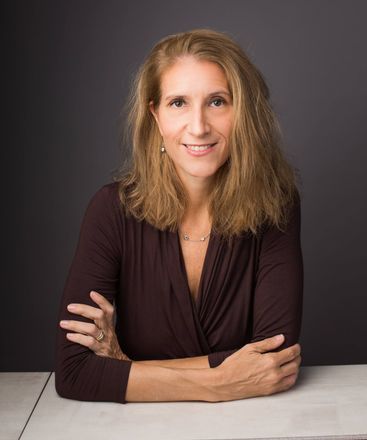
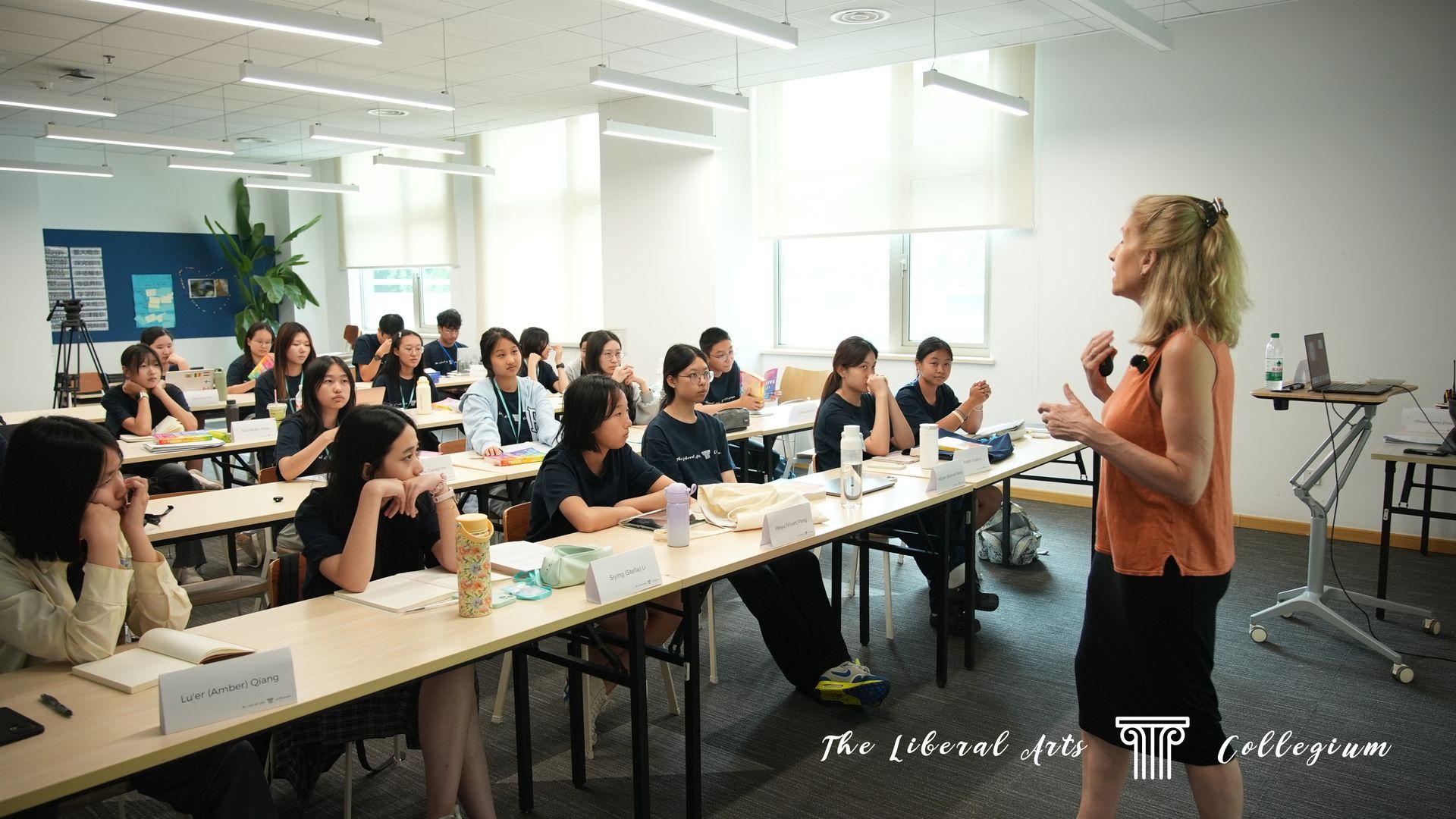
Catherine Sanderson
Poler Family Professor of Psychology at Amherst College
Professor Sanderson is the Poler Family Professor of Psychology at Amherst College. She earned her B.A. in Psychology from Stanford University and her M.A. and Ph.D. in Psychology from Princeton University. She was named one of the “300 Best Professors” in the United States by The Princeton Review.
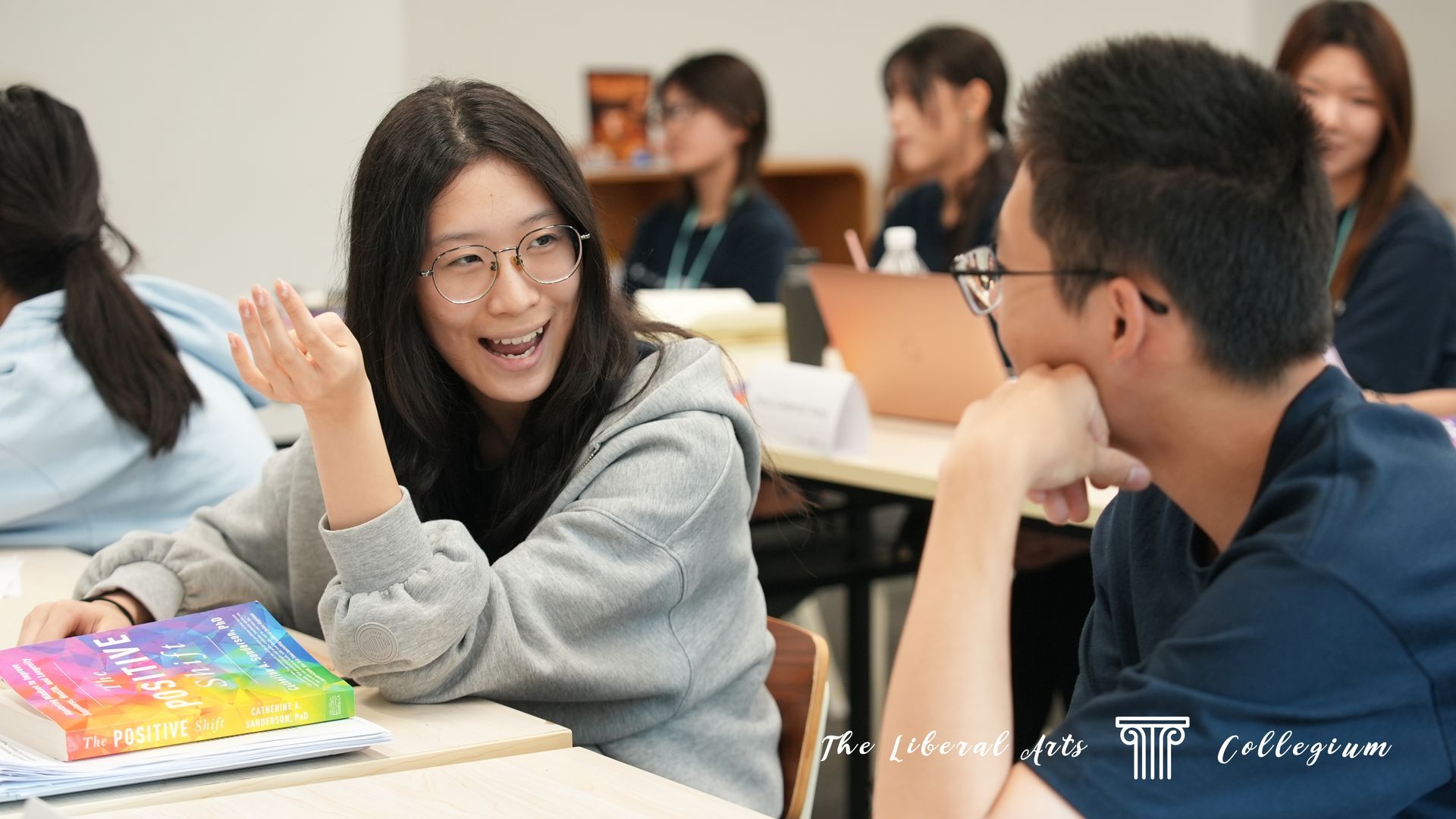
Course: Positive Psychology: Understanding the Mind-Body Connection
For decades, psychology focused primarily on understanding and treating problems. Positive psychology, a newer field, explores how people can live happier and healthier lives. This course examines how mindset shapes the way we understand ourselves and the world, and how those perspectives influence both mental and physical well-being.
Students will read selections from The Positive Shift: Mastering Mindset to Improve Happiness, Health, and Longevity and related academic articles, while also completing an independent research project.
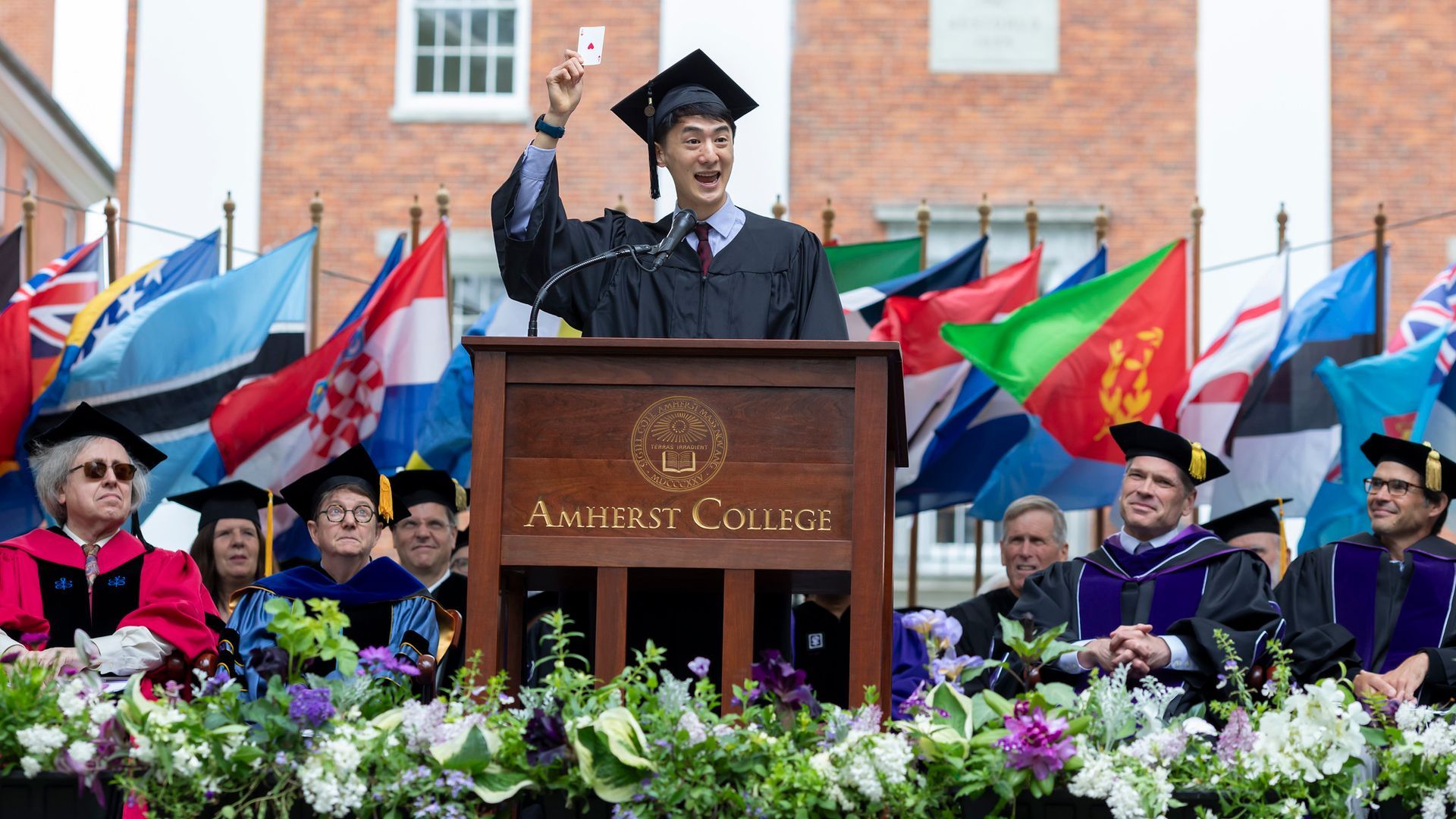
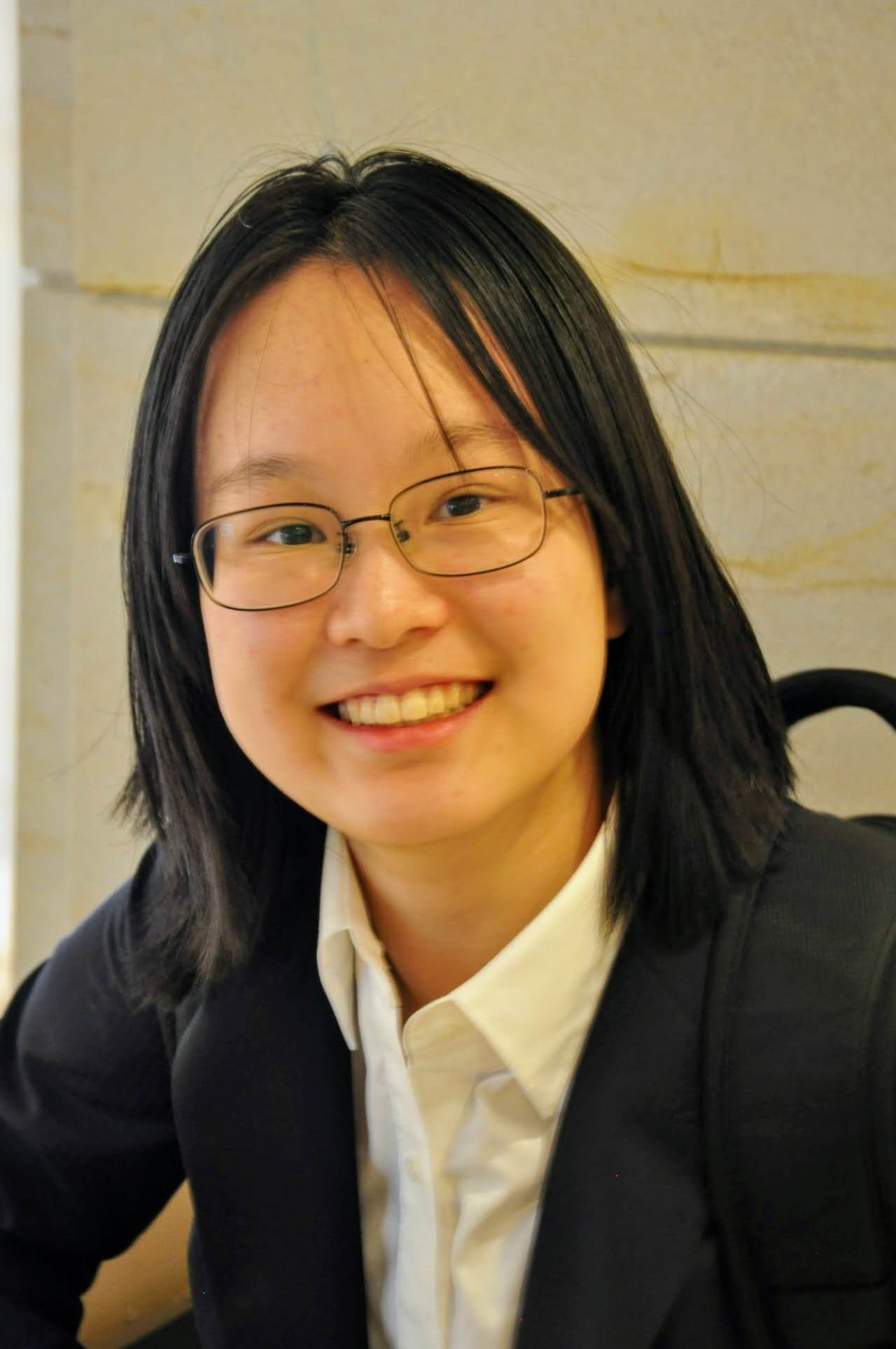
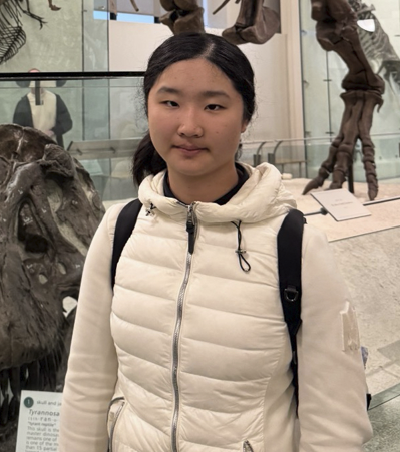
Meet Our Summer Collegium 2026 Teaching Assistants
Meet our all-star teaching assistant team — a remarkable group of Amherst College students and alumni who will mentor, support, and learn alongside students throughout the Collegium experience.

Hear from students
Why Did You Choose the Collegium Summer Program?
The Liberal Arts Collegium offers exactly the kind of interdisciplinary and discussion-based learning environment I hope to experience in college. From game theory and strategic decision-making to positive psychology and human behavior, I’m excited by the opportunity to engage deeply with ideas alongside distinguished professors and intellectually curious peers while experiencing the academic culture of a top liberal arts college.
A high school junior from Guangzhou
What drew me to the Liberal Arts Collegium was the opportunity to explore big questions across disciplines through close interaction with professors and peers. I’m especially excited to connect ideas from game theory and psychology to better understand human behavior, while experiencing the kind of rigorous, discussion-driven learning environment that defines top liberal arts colleges.
A high school junior from Beijing
What excites me most about the Liberal Arts Collegium is the opportunity to explore psychology and game theory through a true seminar-style learning environment. I’m especially interested in how AI and modern society are pushing us to think more deeply about human behavior, decision-making, and mindset. More than anything, I want to experience the kind of discussion-driven classroom where ideas are explored collaboratively, and understanding is built through independent thinking rather than simply receiving answers.